Family Finance Management in Uganda: A WiseWallet Guide
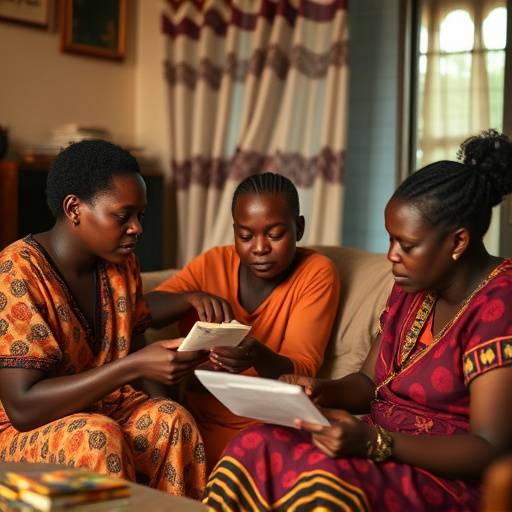
Managing finances as a family in Uganda requires careful planning and open communication. With rising costs of living and the importance of securing a stable future, understanding the key aspects of family finance is essential. WiseWallet is here to guide you through planning for school fees, managing household expenses, saving for the future, and fostering financial literacy in your children.
Planning for School Fees
Education is a significant investment in Uganda, and planning for school fees is crucial. The academic year presents unique financial challenges, demanding proactive saving and budgeting strategies. Here's how to approach it:
- Start Early: Begin saving as early as possible. The earlier you start, the less burden you’ll feel when school fees are due.
- Create a Dedicated Savings Account: Open a separate account specifically for school fees. This helps to keep the money separate from other expenses and ensures it’s readily available when needed. Consider high-yield savings accounts offered by Centenary Bank or Stanbic Bank Uganda.
- Set Realistic Goals: Determine the exact amount needed for school fees and related expenses (uniforms, books, transportation) and set monthly savings targets.
- Explore Scholarship Opportunities: Research and apply for scholarships and bursaries offered by schools, NGOs, and government programs. Organizations like the Forum for African Women Educationalists (FAWE) offer scholarships to girls in Uganda.
- Consider Education Insurance: Invest in education insurance plans that cover school fees in case of unforeseen circumstances like job loss or death of a parent. UAP Old Mutual and ICEA Lion offer such plans in Uganda.
"A child's education is an investment that yields the highest returns. Plan diligently, save consistently, and secure their future." - Rose Nakimuli, Financial Advisor at Equity Bank Uganda
Managing Household Expenses
Efficiently managing household expenses is vital for family financial stability. Here are some practical tips tailored for families in Uganda:
- Create a Budget: Develop a detailed monthly budget that outlines all income and expenses. Use budgeting apps like WiseWallet or create a simple spreadsheet.
- Track Expenses: Monitor your spending habits to identify areas where you can cut back. Categorize your expenses (food, transport, utilities, entertainment) to gain insights.
- Reduce Food Costs: Plan your meals in advance, buy groceries in bulk from markets like Nakasero or Owino, and cook at home instead of eating out frequently. Grow your own vegetables in a small garden if possible.
- Optimize Transportation Costs: Use public transport (taxis, buses, boda-bodas) wisely. Consider carpooling or using bicycles for short distances.
- Save on Utilities: Conserve electricity by switching off lights and appliances when not in use. Use energy-efficient bulbs and consider solar power for lighting. Minimize water usage by fixing leaks and practicing water-saving habits.
- Negotiate Bills: Negotiate payment plans for utility bills and other services with providers.

Saving for the Future
Saving for the future ensures financial security and provides a cushion for unexpected events. Consider these saving strategies:
- Emergency Fund: Build an emergency fund to cover at least 3-6 months of living expenses. This fund should be easily accessible in a savings account.
- Retirement Planning: Start saving for retirement early, even if it seems distant. Contribute to retirement schemes offered by NSSF (National Social Security Fund) or private pension providers.
- Investments: Explore investment opportunities such as fixed deposits, government bonds, real estate, or stocks. Consult a financial advisor before making investment decisions.
- SACCOs (Savings and Credit Cooperative Organizations): Join a SACCO to save and access affordable loans. SACCOs promote financial inclusion and provide opportunities for investment and growth.
- Land Ownership: Investing in land can be a valuable long-term asset in Uganda, especially in developing areas.
Discussing Finances with Children
Teaching children about money management is essential for their future financial well-being. Here’s how to approach financial discussions with your children:
- Start Early: Introduce basic concepts like saving, spending, and budgeting from a young age.
- Give Allowances: Provide regular allowances to teach children how to manage money.
- Involve Them in Budgeting: Let them participate in family budgeting decisions to understand the value of money.
- Teach the Value of Work: Encourage them to earn money through chores or part-time jobs.
- Open a Savings Account: Help them open a savings account to save for their goals.
- Lead by Example: Demonstrate responsible financial behavior in your own life.

Sample Family Budget (UGX)
| Expense Category | Estimated Amount (UGX) |
|---|---|
| Rent/Mortgage | 300,000 |
| Food | 250,000 |
| School Fees | 200,000 |
| Transportation | 150,000 |
| Utilities (Electricity, Water) | 100,000 |
| Healthcare | 50,000 |
| Savings | 100,000 |
| Miscellaneous (Entertainment, Clothing) | 50,000 |
| Total | 1,200,000 |
Disclaimer: This is a sample budget and may vary depending on individual circumstances. Adapt it to fit your family's specific needs and income.
By implementing these strategies, families in Uganda can achieve financial stability and build a secure future. WiseWallet is committed to providing the tools and resources you need to succeed in your financial journey.
For personalized financial advice, contact our WiseWallet Financial Advisors at Plot 23A, Clement Hill Road, Kampala. Call us at 0414-300-400 or email us at support@wisewalletuganda.com.
Visit our office at:
WiseWallet UgandaPlot 23A, Clement Hill Road
Kampala, Uganda
Contact us:
Phone: 0414-300-400
Email: support@wisewalletuganda.com
Follow us on social media: